September 17, 2026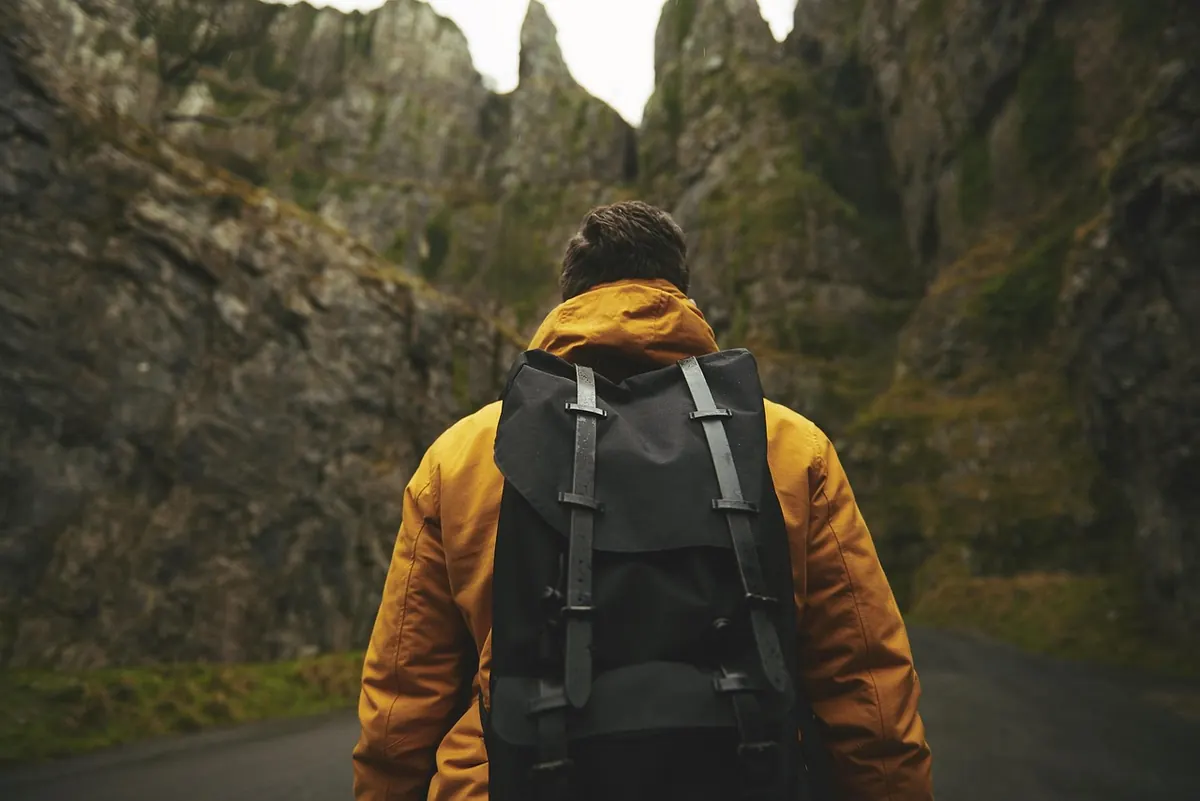
British hills are modest by most standards, which is exactly why so many people set off unprepared. A walk that looks gentle on the map — a few kilometres along a ridge, a short pull up to a viewpoint — can turn into a long, cold afternoon once the cloud drops, the wind builds and the path dissolves into peat bog. Nearly every common hiking mistake in the UK is small and fixable, and most of them happen before you have left the car park.
Overpacking the day bag
The classic first-timer's rucksack is either far too heavy or far too light, and both cause trouble. Too heavy means you slow down, sweat through your layers and reach the final climb exhausted. Too light means no waterproof trousers when the shower arrives, no spare layer when you stop for lunch in the wind, and no headtorch when the descent takes longer than planned.
Lay everything out on the floor before you pack it and ask one question of each item: would I be in trouble without this? A third camera lens and a spare flask usually fail that test. These do not:
- Waterproof jacket and trousers, near the top of the pack rather than the bottom
- A warm mid-layer, hat and gloves, even in July
- Headtorch with fresh or spare batteries
- Water, and more food than you think you need
- Paper map, compass and a small first aid kit
Pack the heavy items in the middle, close to your back, and use the hip belt so the weight sits on your hips instead of hanging from your shoulders.
Ignoring the weather — before and during the walk
Rain in the valley usually means heavier rain and stronger wind on the tops, and a wind speed that sounds manageable in town can be enough to knock you off balance on an exposed ridge. Check a hill-specific forecast the night before and again in the morning — the Met Office mountain forecasts and MWIS cover most upland areas — and look at wind speed, cloud base and visibility, not just temperature.
Then reassess on the way up. Turning back is a decision you can make at any point, and it is rarely the wrong one. Keep waterproofs within reach rather than buried at the bottom of the rucksack. Getting wet and then stopping in a cold wind is how people end up hypothermic in summer, and it happens faster than most walkers expect.
Wearing unsuitable footwear
Trainers are fine for a dry, low-level path in summer. They are not fine for wet rock, steep grass, loose scree or a full day in the hills. Plenty of tumbles on UK descents happen because someone in smooth-soled shoes starts sliding and cannot stop.
Walking boots or fell shoes give you grip, and boots add support for ankles that are working harder than they do on pavement. Fit matters more than price: your toes should not touch the front when you kick the ground, and your heel should not lift when you walk uphill. Never take brand-new boots on a long day out — break them in on a few short walks first. Wear a synthetic or merino blend sock rather than cotton, which holds sweat and encourages blisters, and carry a couple of blister plasters. If you have a long-standing foot, knee or ankle problem, speak to a physiotherapist or GP before taking on something ambitious.
Underestimating distance, ascent and daylight
Five kilometres on a flat canal path takes about an hour. The same five kilometres with 600 metres of ascent, a boggy section and a rocky descent can take three. Distance on the map is a poor guide to effort; contour lines are a far better one.
A rough rule of thumb is an hour for every five kilometres, plus an extra hour for every 600 metres of climbing, then add time for rough ground, stiles, gates and lunch stops. If the total looks uncomfortable, it probably is. Check the sunset time for where you are walking rather than where you live, and plan to be off the hill with an hour of daylight in hand. In the Lake District and the Scottish Highlands the walk out is often longer than the walk in, and tired legs on a fading descent is where a lot of mountain rescue callouts begin.
Relying on a phone for navigation
Phone maps are excellent until the battery dies in the cold, the screen cracks, or the signal vanishes in a valley. None of those are unusual. Download the map area for offline use before you leave, carry a power bank in an inside pocket where it stays warm, and take a paper map and compass as well.
Two habits are worth building. Don't follow the person in front on trust — check the map yourself at every junction. And don't assume a faint trod in the grass is a right of way; it may be a sheep track, and it will often lead somewhere steep. If you do need help, call 999, ask for the police and then mountain rescue, and be ready to give a grid reference or a What3words location.
Overlooking water, food and fuel
Walkers often under-eat and under-drink, then wonder why the last hour feels so hard. Eat little and often rather than saving everything for a summit lunch, and take food you will still fancy when you are tired: sandwiches, flapjack, nuts, fruit, something salty.
Water in the UK is not automatically safe to drink. Streams running through farmland or grazed moorland can carry bugs, so carry what you need for the day, or take a filter or purification tablets if you plan to refill. On warm days, add an extra bottle. If you have a medical condition, get advice from your GP or pharmacist about what to carry and how much to drink — a short conversation beforehand beats guessing on a hillside.
Before you set off
Ten mistakes, one theme: preparation. Run through this in the five minutes before you lock the car.
- Check the hill forecast and the sunset time.
- Tell someone your route, start time and expected return.
- Make sure boots, socks and layers suit the conditions.
- Confirm the map, compass and headtorch are in the pack.
- Carry more water and food than the plan requires.
Then walk at the pace of the slowest person, eat before you are hungry, and turn around if the weather or the clock says so. Close gates behind you, keep dogs under control around livestock and on leads in spring and early summer when ground-nesting birds are about, and take everything home with you. In England and Wales that is the Countryside Code; in Scotland it is the Scottish Outdoor Access Code. You can always come back for the summit another weekend.
Photo: Pexels / Pixabay